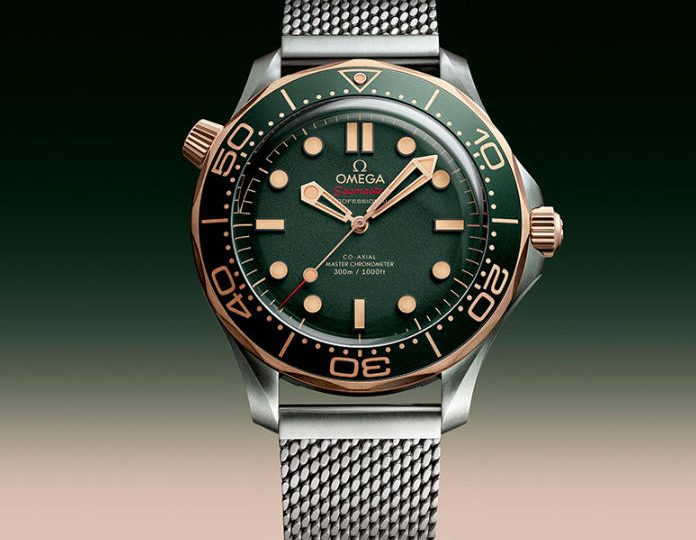
The Evolution of Omega Watch Design and Why It Still Matters Today
Omega has long been regarded as one of the most influential watchmakers in the world. From its early innovations in precision timekeeping to its involvement in space exploration and professional diving, the brand has consistently shaped the direction of modern horology.
In recent years, interest in Omega-inspired timepieces has continued to grow. Collectors are no longer focused solely on brand ownership, but also on understanding design, structure, and mechanical craftsmanship. This shift has led many enthusiasts to explore alternatives that reflect the same visual identity and technical philosophy.
A Legacy Built on Precision and Innovation
Omega’s reputation was built on accuracy. Throughout the 20th century, the brand played a key role in developing chronometer-certified movements and reliable sports watches. The Speedmaster, famously worn during the Apollo missions, remains one of the most iconic chronographs ever created.
At the same time, the Seamaster established itself as a benchmark for dive watches, combining water resistance with a refined design language. These two collections alone represent decades of engineering and aesthetic refinement.
Why Omega Design Continues to Influence the Market
What sets Omega apart is its ability to balance function and form. The watches are engineered for performance, yet they maintain a timeless appearance. Clean dial layouts, durable cases, and precise finishing all contribute to a design language that has remained relevant for generations.
This balance is exactly why Omega-inspired watches continue to attract attention. Enthusiasts appreciate the proportions, the symmetry, and the mechanical presence on the wrist. These are qualities that transcend branding and speak directly to watchmaking fundamentals.
Modern Interpretations of Classic Omega Styles
With advancements in manufacturing, it is now possible to produce watches that closely follow the construction and layout of classic Omega models. From case dimensions to dial detailing, modern interpretations aim to recreate the experience of wearing a traditional Swiss timepiece.
Many collectors researching this segment often explore platforms such as Omega replica watches to better understand how contemporary models are built and how they compare visually to the originals. These references provide useful insight into the evolution of watch design and production techniques.
The Role of Craftsmanship in Watch Appreciation
Beyond branding, true watch appreciation comes down to craftsmanship. The finishing of the dial, the alignment of indices, and the smooth operation of the movement all contribute to the overall experience.
Even in modern alternatives, these elements remain essential. A well-crafted watch should feel balanced, reliable, and visually coherent. This is the standard that Omega established and that many watchmakers continue to follow today.
Looking Ahead: The Future of Omega-Inspired Watches
As the watch industry evolves, the influence of Omega’s design philosophy is unlikely to fade. Instead, it continues to inspire new interpretations that blend heritage with accessibility.
For collectors, this means more opportunities to explore different styles, understand mechanical design, and appreciate the artistry behind each timepiece. Whether through original models or modern interpretations, Omega’s legacy remains deeply embedded in the world of horology.